09 Oct Hair Color Correction in Manhattan: What to Expect, What Is Possible, and How to Protect Hair Integrity
When Hair Color Needs a Reset
Color correction is one of the most customized services in the salon. It is not a single formula, a quick toner, or a guaranteed one-appointment transformation. It is a strategic process designed to improve unwanted tones, uneven placement, harsh lines, color bands, overly dark results, patchiness, and disappointing lightening results while placing hair integrity first.
At Hair Art NYC, color correction services are approached with a detailed understanding of your hair’s current condition, previous color history, goals, and realistic timeline. Whether you are trying to soften a botched balayage, remove brassiness, blend grown-out highlights, transition away from box color, or correct uneven bleach, the goal is to create a polished, wearable result without taking unnecessary risks with the hair.
What Is Hair Color Correction?
Hair color correction refers to a professional service that adjusts a color result that is uneven, unwanted, too warm, too cool, too dark, overly light, or incompatible with your desired look. It may involve one service or a carefully staged series of appointments, depending on how much pigment must be removed, neutralized, blended, or replaced.
Common correction concerns include:
- Orange, yellow, red, or brassy tones after highlights, bleaching, or faded color
- Uneven color bands caused by overlapping dye applications or grown-out bleaching
- Patchy balayage or highlights with inconsistent lift or placement
- Color that is too dark, flat, muddy, or overly cool
- At-home color mistakes, including box dye buildup and unpredictable results
- Overly light or damaged hair that needs depth, softness, and a healthier-looking finish
- Harsh root lines or an unblended transition between natural roots and previous color
- Faded fashion shades or residual pigments that affect new color results
A successful correction is not about chasing the fastest possible result. It is about understanding the chemistry of the hair, choosing the safest techniques, and building toward a color that looks intentional, dimensional, and appropriate for your maintenance preferences.
Why Color Corrections Require a Professional Consultation
Before performing a correction, a colorist needs to know what has already been done to the hair. Hair does not “forget” previous services. Old permanent color, bleach, toners, glosses, henna, direct dyes, relaxers, keratin treatments, and at-home products can all influence how hair processes.
During a consultation at Hair Art NYC in Gramercy, your colorist may assess:
- Your natural base color and percentage of gray hair
- Previous salon services and at-home color applications
- Whether permanent color, bleach, toner, gloss, or direct dye was used
- The presence of bands, uneven porosity, and unwanted undertones
- Hair elasticity, density, texture, and visible signs of damage
- Your ideal shade, reference photos, lifestyle, and maintenance expectations
- Whether the desired result can be reached safely in one appointment or needs a phased plan
Honesty about your color history matters. Even a color application from months ago can affect the correction process. Sharing all known services gives your stylist the information needed to choose the right formula, developer strength, lightening method, timing, and repair support.
What Is Possible in One Color Correction Appointment?
Many Manhattan guests understandably want to know whether their hair can be “fixed” in one visit. In some cases, the answer is yes. In others, it is safer and more realistic to divide the transformation into multiple appointments.
Corrections That May Be Achievable in One Visit
When the hair is in good condition and the existing color issue is relatively straightforward, one visit may be enough to create a major improvement. Examples may include:
- Toning yellow or orange brassiness after professionally lightened hair
- Blending a harsh root line with a root shadow and custom toner
- Adding lowlights and dimension to hair that looks too blonde or washed out
- Correcting minor unevenness in highlights or balayage placement
- Refreshing faded color with a gloss, toner, or all-over color
- Softening an overly solid look through strategically placed highlights or face-framing brightness
Corrections That Often Need Multiple Sessions
More extensive color changes typically require patience. A multi-session plan protects the hair from excessive lightening, overlapping bleach, and unnecessary chemical stress.
- Removing years of dark permanent color or box dye
- Transitioning from very dark hair to a bright blonde result
- Repairing severe banding from multiple color applications
- Correcting uneven bleach with fragile, porous, or overprocessed hair
- Removing strong red, black, fashion color, or metallic pigment buildup
- Achieving an icy platinum shade from a darker or previously colored starting point
In these situations, the first appointment may focus on removing unwanted pigment, blending obvious unevenness, restoring softness, and creating a flattering intermediate color. The next session can then take the hair closer to the final target while maintaining a more responsible level of integrity.
Understanding the Difference Between Brassiness and Uneven Lift
Brassiness is one of the most common concerns after lightening. However, not every warm result is simply a toner issue. Hair lifts through underlying warm pigments as it lightens, and the exact undertone depends on the starting level and the amount of lift achieved.
For example:
- Yellow tones often appear when hair has been lifted to a pale blonde stage.
- Gold tones may appear in medium blonde levels.
- Orange tones are common when darker hair has not lifted enough to reach blonde.
- Red-orange tones can emerge when lifting dark brown or black hair.
A custom toner can refine the tone when the hair has reached an appropriate level of lightness. If the hair is still too dark underneath, however, toner alone cannot turn orange hair into a clean beige, ash, or platinum blonde. Additional lightening may be needed—but only if the hair can safely tolerate it.
Hair Art NYC uses customized color services and toners to create a more balanced, dimensional result. All color services include one toner and styling, allowing your colorist to refine the finished tone and help you leave with a complete salon look.
How Hair Integrity Is Protected During Color Correction
Hair integrity should guide every decision in a corrective color appointment. Lightening and color removal can be demanding services, particularly when hair has previous chemical history. An experienced stylist evaluates what the hair can handle today—not just what the inspiration photo requires.
Strategies That Help Reduce Unnecessary Stress
- Targeted application: Lightener is placed only where it is needed, avoiding unnecessary overlap onto already-lightened hair.
- Custom developer selection: The formula and strength are chosen based on the hair’s condition and desired level of lift.
- Dimensional color planning: Lowlights, root shadows, and blended techniques can improve the look without requiring full saturation or aggressive lifting.
- Foil and hand-painted placement: Controlled highlights, foliage, and balayage techniques help direct lightening precisely.
- Condition-focused timing: Processing is monitored closely, with the health of the hair taking priority over rushing toward an extreme result.
- Professional repair support: Bond-building and restorative treatments can support the hair before, during, or after a correction service.
At Hair Art NYC, restorative options such as K18, Milbon, and Wella FusionPlex Repair treatments may be recommended based on your hair’s needs. These professional treatments can help improve manageability, softness, strength, and the appearance of compromised hair as part of a broader healthy-hair plan.
Color Correction Techniques Your Stylist May Use
There is no universal formula for color correction. The right approach depends on the current canvas and the desired outcome. A correction may incorporate one technique or a combination of services.
Custom Toner or Gloss
A custom toner helps refine unwanted warmth, soften overly cool tones, enhance shine, and create a more cohesive result. Toners are often ideal for manageable brassiness, refreshed blonde shades, and subtle shifts in tone.
Root Shadow
A root shadow creates a softer transition between natural regrowth and lighter lengths. It can reduce the appearance of harsh lines, add depth, and make highlights or balayage grow out more gracefully.
Balayage and Face-Framing Brightness
When previous color looks striped, blocky, or unblended, hand-painted balayage and face-framing placement can restore softness and movement. These methods are especially useful for creating a more lived-in result.
Foliage and Foil Highlights
Foliage combines hand-painted highlights with foils for greater lift and controlled brightness. Full or half-head foliage may be appropriate when a correction requires stronger lightening in selected areas while maintaining a dimensional finish.
Lowlights and Color Filling
Hair that is too light, porous, or hollow-looking may need warmth and depth replaced before a richer brunette, blonde, or natural-looking shade can be achieved. Lowlights and filling techniques help restore balance and prevent dull or muddy-looking results.
Double Process or Custom Color
Complex corrections may require more than one color method. A double process or custom color service can combine techniques such as lightening, toning, root shading, lowlighting, and strategic placement to address multiple concerns in one tailored plan.
What to Expect at Your Appointment
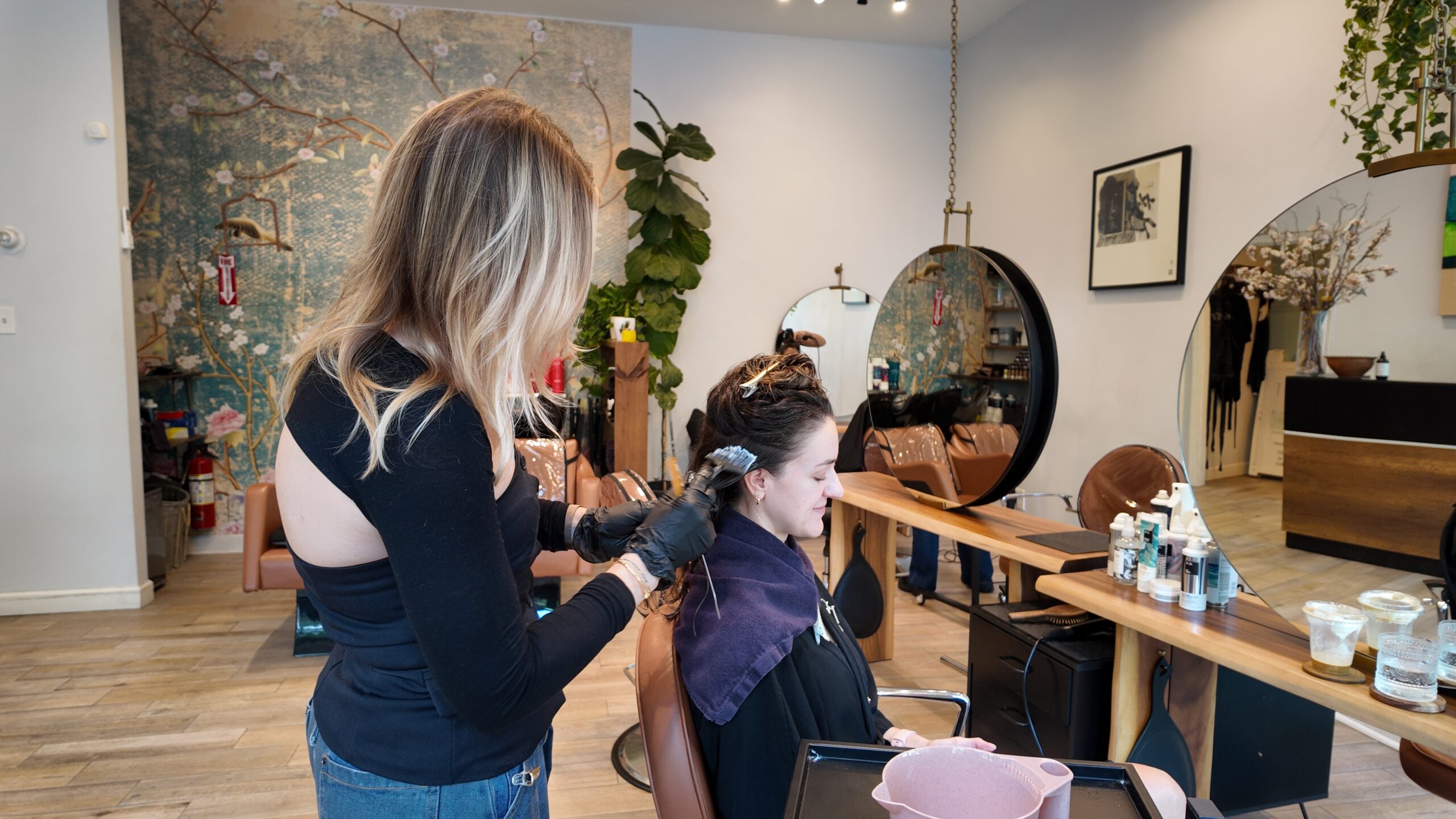
A corrective color appointment is typically more detailed than a routine root touch-up or highlight service. The experience begins with a conversation about your hair history and goals, followed by a visual and hands-on assessment of the hair.
- Consultation and hair assessment: Your stylist evaluates color history, undertones, porosity, and condition.
- Goal setting: You discuss what you would like to change, what can safely be achieved, and what may require future appointments.
- Customized service plan: The colorist selects the appropriate technique, including toner, highlights, foliage, balayage, lowlights, base color, or a combination approach.
- Integrity-conscious processing: The hair is monitored throughout the service to avoid unnecessary stress.
- Toning and finishing: The color is refined with a custom toner, then styled so you can see the completed result.
- At-home care guidance: Your stylist recommends maintenance steps and products that support the longevity of your new color.
Appointment timing varies widely. A simple tonal correction may take less time than an extensive multi-technique transformation. It is best to allow enough time for an unhurried consultation, careful application, processing, toning, treatment recommendations, and styling.
How to Prepare for a Color Correction Consultation
Preparation makes the consultation more accurate and productive. Before visiting the salon, gather as much information as possible about your hair history.
- Bring photos of your current hair in natural light.
- Save inspiration photos that show your preferred tone, depth, and brightness.
- Write down the dates and types of recent salon services.
- Disclose any box color, henna, direct dye, bleach, or chemical straightening treatments.
- Let your stylist know if your hair has been breaking, shedding, feeling gummy when wet, or becoming difficult to detangle.
- Be open to an intermediate shade if it is the healthiest path to your final goal.
Clean, dry hair is often easier to assess visually, but follow the salon’s instructions if you receive specific preparation guidance. Avoid experimenting with additional at-home color immediately before your consultation, as this can complicate the correction plan.
Aftercare: How to Maintain Corrected Color and Healthy Hair
Your at-home routine has a direct impact on color longevity and hair condition. Corrected hair may be more porous than untouched hair, which means it can fade or shift tone faster without proper maintenance.
Essential Aftercare Practices
- Use professional, color-safe shampoo and conditioner recommended for your hair type.
- Wash with lukewarm or cool water rather than very hot water.
- Limit heat styling and always apply a heat protectant before blow-drying, curling, or flat ironing.
- Use a purple, blue, or color-depositing product only as advised; overuse can create dullness or uneven tones.
- Schedule toning or gloss refresh appointments before brassiness becomes excessive.
- Use restorative care, such as K18 or other professional treatments, when recommended by your stylist.
- Protect hair from chlorine, saltwater, and strong sun exposure, which can accelerate fading and dryness.
- Wait for the recommended amount of time before pursuing additional chemical services.
Hair Art NYC works with respected professional brands including IGK, K18, Wella, Milbon, Redken, Zenagen, and Keratin Complex. Your stylist can help identify a home-care routine that aligns with your color, texture, styling habits, and integrity goals.
When a Keratin Treatment May Fit Into Your Hair Plan
Some guests considering color correction also want smoother, more manageable hair. Keratin services can be beneficial for certain hair types, but timing matters. Depending on your correction plan, your stylist may recommend scheduling a keratin treatment before or after color services rather than combining everything immediately.
Hair Art NYC offers professional smoothing options, including Keratin Complex, NKST, and Peter Coppola treatments. A consultation is the best way to determine whether a keratin service complements your color goals and current hair condition.
Visit Hair Art NYC in Gramercy
For personalized hair color correction in Manhattan, visit Hair Art NYC at 302 East 19th Street, New York, NY 10003. Conveniently located in the Gramercy area, the salon provides customized color, highlighting, balayage, foliage, platinum new-growth services, treatments, haircuts, blowouts, and more.
Call 212-300-4407 to connect with the salon team.
Start With a Safe, Honest Color Plan
Beautiful correction work begins with realistic expectations, careful assessment, and a commitment to the condition of your hair. The best next step is a professional consultation that considers where your hair is now, where you want it to go, and the safest route between the two.
Dealing with uneven color, brassiness, bands, or a balayage you do not love? Share your color history for a safe correction consultation.
No Comments