
09 Oct How to Fix Brassy Blonde Hair Without Overprocessing It
Understanding Why Blonde Hair Turns Brassy
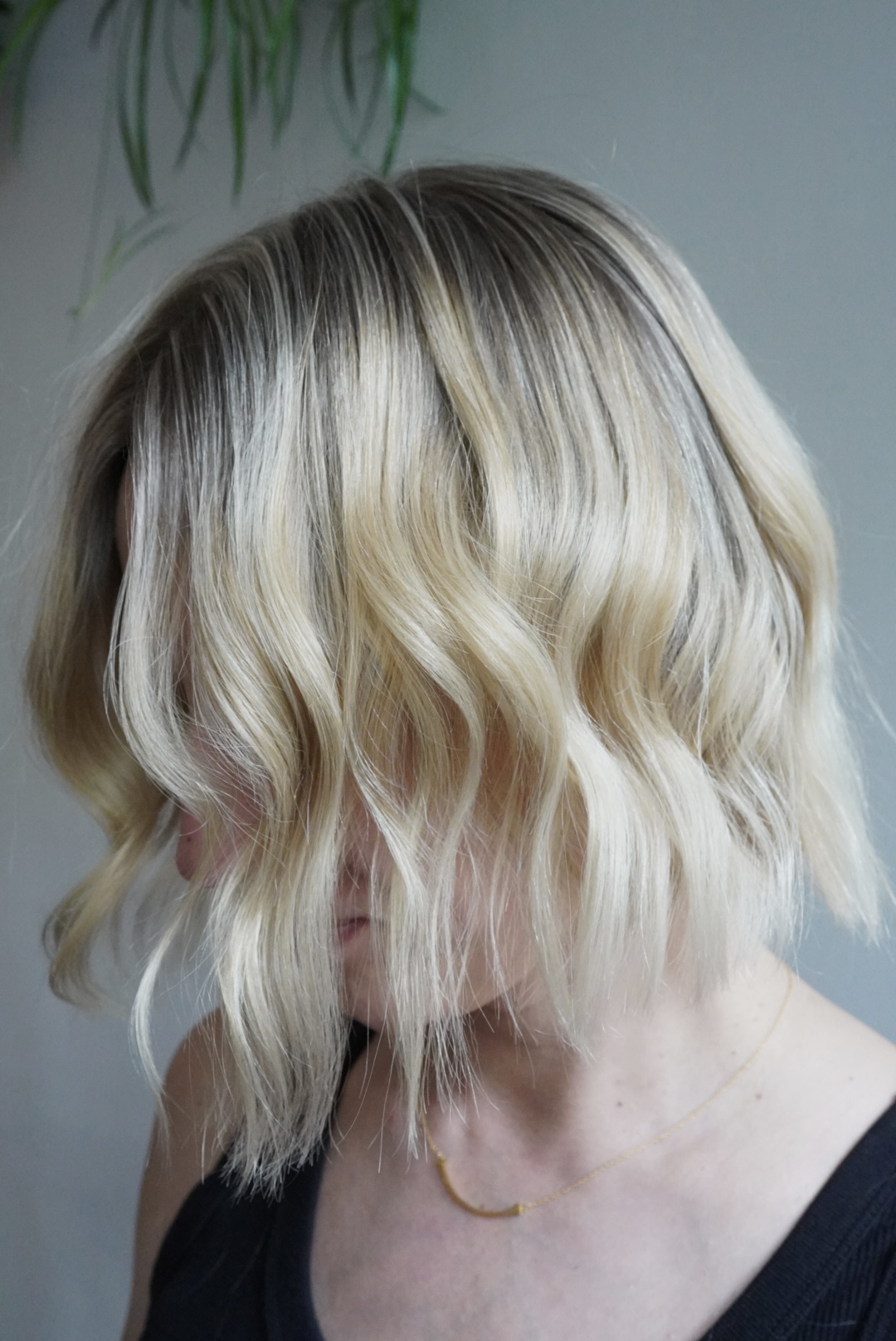
Beautiful blonde color is all about balance. Whether your hair is bright platinum, soft beige, buttery blonde, dimensional balayage, or foilayage, unwanted warmth can make the result look dull, orange, yellow, or uneven. Brassiness happens when warm underlying pigments become visible after lightening, fading, environmental exposure, or an at-home color routine that is too aggressive for the condition of the hair.
The key to correcting unwanted warmth is not simply applying more bleach or repeatedly using strong purple shampoo. In fact, overprocessing is one of the fastest ways to turn a color concern into a hair-integrity concern. A thoughtful correction plan should neutralize unwanted tones while protecting the cuticle, preserving elasticity, and maintaining the depth and brightness that make blonde hair look expensive.
Common reasons blonde hair becomes warm
- Natural fading: Toners are demi-permanent and gradually fade with cleansing, heat styling, UV exposure, and normal wear.
- Underlying pigment: Darker natural hair must pass through red, orange, and gold stages during lifting. If the hair is not lifted to the appropriate level or toned correctly, those pigments can remain visible.
- Minerals in water: Hard water, chlorine, and metal buildup can deposit on the hair and make blonde tones appear yellow, dull, or orange.
- Product buildup: Heavy oils, styling products, dry shampoo, and some tinted formulas can cloud bright blonde shades.
- Heat and sun exposure: High heat, frequent hot-tool use, and UV rays can speed up toner fade and reveal warm undertones.
- Uneven previous color: Box dye, old highlights, bands of color, and at-home bleaching often create areas that lift differently.
At Hair Art NYC, blonde correction begins with identifying why the warmth is showing. This protects the hair from unnecessary processing and gives your colorist the information needed to select the right toner, gloss, repair service, and maintenance routine.
Start With a Hair Integrity Assessment
Before any color adjustment, assess the hair’s current condition. Healthy hair holds toner more evenly and reflects light better, which means it looks brighter even without pushing the lightening process further. Fragile hair, on the other hand, may grab pigment unevenly, fade quickly, or break when exposed to repeated bleach applications.
A professional color consultation should consider:
- Your natural base color and previous color history
- The level and type of warmth present: yellow, gold, orange, or red-orange
- Porosity from bleaching, heat damage, chemical services, or environmental stress
- Elasticity and strength through the mids and ends
- Whether the concern is all-over brassiness, a warm root area, faded highlights, or uneven bands
- Your desired finish, such as icy, pearl, beige, champagne, neutral, or warm honey blonde
Not every warm blonde needs more lightener. If the hair has already reached a pale enough level, a custom toner may be the safest and most effective solution. If it has not lifted sufficiently, a colorist may recommend a strategic approach, such as fine highlights, face-framing brightness, a partial foilage service, or gradual corrective sessions rather than an aggressive full-head bleach appointment.
Choose Toning Over Additional Bleaching When Possible
Toning is often the most integrity-conscious way to refresh blonde hair. A toner deposits carefully selected pigments that counteract undesirable warmth without creating the same level of stress as another lightening service. Violet pigments help neutralize yellow tones, while blue-based formulas are generally more effective against orange. In many cases, the most natural-looking result comes from a custom blend rather than one overly cool, flat shade.
Hair Art NYC offers a custom formula toner as part of its color service approach, allowing the colorist to tailor the formula to the exact level, porosity, and tone of the hair. This matters because a toner that works beautifully on pale yellow highlights may not be suitable for golden or orange areas. The formula, processing time, and placement all affect the final result.
What a custom toner can improve
- Yellow tones in platinum, icy, pearl, and bright blonde hair
- Orange warmth in faded highlights and dimensional brunette-to-blonde transitions
- Uneven tones between the roots, mid-lengths, and ends
- Overly golden areas after balayage, foilage, or traditional highlights
- Dull-looking blonde caused by faded gloss or mineral exposure
- Harsh contrast between bright ends and a warm base color
A toner can also add shine and refine the overall color direction. Blonde does not have to be stark white to look polished; a soft neutral beige, champagne, or creamy finish can look brighter, healthier, and more flattering while requiring less intensive maintenance.
Use Purple and Blue Shampoo Carefully
At-home toning shampoos can be useful between salon visits, but they are maintenance products—not a substitute for a professional color correction. Misusing them is a common reason blonde hair becomes dry, dull, patchy, or oddly gray-lavender in porous areas.
For the best results, use a purple or blue shampoo only as often as your colorist recommends. Many blondes benefit from using it once a week or every few washes, while others may need less frequent use depending on their hair’s porosity and the desired tone.
Smart toning-shampoo habits
- Match the formula to the brassiness: Purple is generally for pale yellow; blue is better suited to stronger orange warmth.
- Do not leave it on excessively: Longer processing does not always mean better toning. It can leave porous hair looking uneven or smoky.
- Follow with moisture: Toning shampoos can feel drying, especially on bleached hair. Use a nourishing conditioner or treatment afterward.
- Avoid daily use: Overuse can leave buildup, mute dimension, and compromise softness and shine.
- Stop if results become patchy: Book a professional toner rather than layering more pigment over uneven color.
Ask your Hair Art NYC colorist to recommend a home routine using professional brands such as Wella, Redken, Milbon, IGK, K18, or Zenagen based on your blonde tone and hair condition.
Remove Buildup Before Assuming Your Blonde Needs Correction
Sometimes “brassy” hair is actually coated hair. Mineral deposits, chlorine, saltwater, pollution, and styling product residue can make lightened hair look darker, duller, yellower, or uneven. Applying more toner over buildup may lead to unpredictable results because the formula cannot interact evenly with the hair.
If your blonde suddenly looks discolored after swimming, traveling, changing water sources, or using a new product, mention it during your appointment. A colorist can determine whether your hair needs a gentle clarifying or mineral-removal step before toning. This is especially important for Manhattan clients dealing with city water, frequent heat styling, and a fast-paced schedule that may stretch time between appointments.
At home, avoid harsh DIY stripping methods. Lemon juice, baking soda, dish soap, and repeated clarifying washes can roughen the cuticle and accelerate dryness. Blonde hair that is dry or damaged often reflects warmth more noticeably, so preserving smoothness is part of maintaining your color.
Repair First When the Hair Feels Dry, Weak, or Overly Porous
If your hair feels gummy when wet, snaps easily, tangles excessively, or has rough, faded ends, prioritizing repair is essential. Toner can improve the appearance of warmth, but it cannot replace the internal support and moisture balance compromised by overprocessing.
Hair Art NYC can incorporate targeted treatments into a blonde maintenance plan, including K18 treatments, Milbon treatments, and Wella FusionPlex Repair treatments. These professional options help support hair that has been lightened, heat styled, or chemically processed. For clients managing frizz or texture concerns alongside color, professional keratin options—including Keratin Complex, NKST, and Peter Coppola treatments—may also be discussed in the context of overall hair goals.
Signs it may be time to pause lightening
- The ends are breaking or splitting faster than usual
- Your hair feels stretchy, weak, or overly soft when wet
- Toner fades almost immediately after an appointment
- Highlights look uneven because the most porous areas absorb color differently
- Your scalp feels irritated after color services
- You need increasingly frequent lightening to achieve the same look
In these cases, a skilled colorist may recommend a restorative period with glossing, toning, trims, bond-supportive treatments, and a lower-maintenance color strategy. A root shadow or dimensional blend can soften regrowth and reduce the need for frequent, high-impact lightening.
Choose a Lower-Processing Blonde Strategy
Maintaining a bright blonde look does not require every appointment to be a full bleach-out. Strategic placement can keep the color fresh while respecting the condition of your hair. This is particularly valuable for clients with naturally dark hair, a history of color correction, or delicate ends.
Salon options that can preserve dimension and strength
- Face frame: Brightens the hairline and creates an immediate refreshed look without processing every strand.
- Half-head highlights: Targets visible areas and helps extend the time between full services.
- Balayage or foilage: Creates soft, dimensional lightness with a more blended grow-out.
- Root shadow: Softens contrast at the root and adds a lived-in transition between appointments.
- Custom color: Combines techniques to address unevenness, previous color, and your ideal level of brightness.
- Color correction: Provides a carefully staged plan for banding, uneven lift, unwanted warmth, or compromised hair.
For very light regrowth, a platinum new grow or overgrown blonding service may be appropriate—but timing matters. Waiting too long can create bands and make the appointment more complex. Conversely, lightening too frequently can compromise the same hair repeatedly. The ideal schedule is individualized.
Protect Your Blonde Between Appointments
Consistent home care helps a toner last longer and reduces the need for aggressive correction. Small habits make a meaningful difference in how blonde hair looks and feels.
- Wash with lukewarm water. Very hot water can speed up fading and contribute to dryness.
- Use heat protection every time. Blow dryers, flat irons, and curling tools can fade toner and dehydrate lightened strands.
- Limit hot-tool temperature. Fine or bleached hair often needs less heat than you think.
- Protect hair from pool and sun exposure. Wet hair with clean water before swimming and rinse promptly afterward.
- Use professional repair and hydration products. Alternate strengthening care with moisture so the hair stays balanced rather than brittle.
- Schedule toning maintenance. A gloss or toner appointment can refresh your blonde without committing to another full lightening session.
- Get regular trims. Removing compromised ends helps the entire style look fuller, smoother, and more reflective.
When Professional Color Correction Is the Best Choice
Professional help is especially important when brassiness is severe, uneven, or accompanied by damage. Avoid trying to bleach over orange bands, applying box dye to lightened hair, or layering multiple toning products in an attempt to force a quick fix. These approaches can create deeper staining, breakage, and a more complicated correction process.
A Hair Art NYC colorist can create an informed plan that may include a custom toner, strategically placed highlights, balayage, foilage, root shadowing, restorative treatments, or a multi-session correction approach. Every color service includes one toner and styling, helping you leave with a polished, balanced finish and a clear plan for maintaining it.
Visit Hair Art NYC in Gramercy
Located at 302 East 19th Street, New York, NY 10003, Hair Art NYC serves clients throughout Gramercy, Manhattan, and New York City with personalized color, corrective color, hair repair, and styling services. Call 212-300-4407 to discuss your next appointment.
Brassiness has a cause—let a Hair Art NYC colorist create the right toning and maintenance plan: contact Hair Art NYC today.
No Comments