
09 Oct Box Dye to Balayage: What Manhattan Clients Should Know Before Booking
Moving From At-Home Color to Dimensional, Lived-In Lightness
At-home hair color can be convenient, but it can also make a future lightening appointment more complex—especially when your goal is a soft, blended balayage. For Manhattan clients, the path from box dye to hand-painted dimension should begin with an honest consultation, realistic expectations, and a plan designed around one priority: protecting the integrity of your hair.
At Hair Art NYC, we specialize in customized color services, including balayage, foilyage, highlights, double-process color, custom color, and professional color correction. Located at 302 East 19th Street in Gramercy, our approach is not to rush hair through an aggressive transformation. Instead, we assess what is already on the hair, determine what it can safely handle, and build a color plan that delivers beautiful results without unnecessary damage.
Why Box Dye Changes the Balayage Process
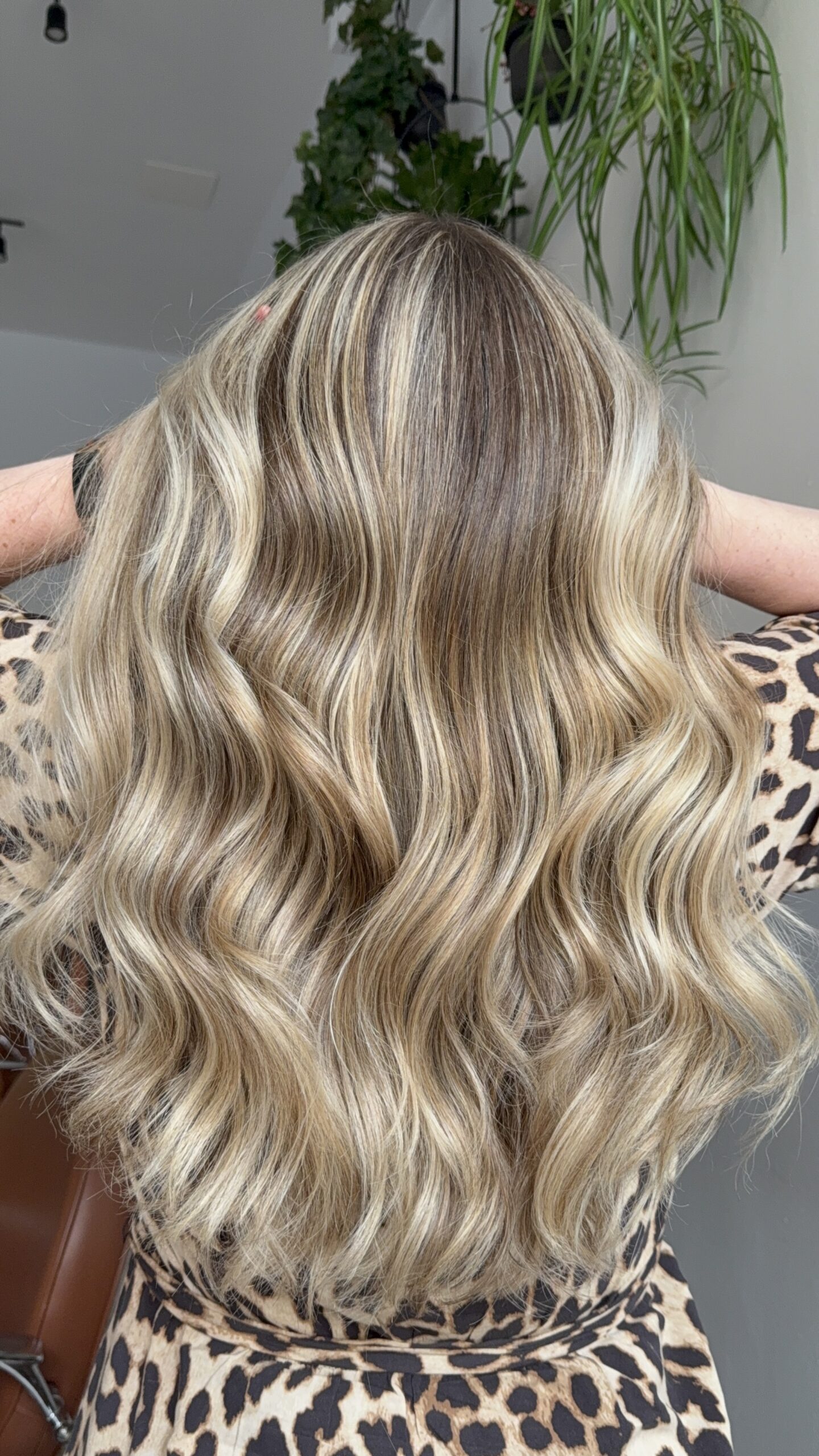
Balayage is a hand-painted highlighting technique that creates a gradual, sun-kissed transition from deeper roots to lighter mids and ends. The signature result looks soft and natural because the colorist can control placement, brightness, depth, and blending throughout the hair.
Box dye creates a different starting point. Whether you used permanent dye, demi-permanent color, a gloss, “no-ammonia” color, henna, or a root touch-up kit, the formula may leave behind pigments that are difficult to predict when lightener is applied.
Even when box color appears faded, it may still be present inside the hair shaft. When lightening begins, those underlying pigments can lift unevenly or reveal warm tones such as red, copper, orange, or gold.
Common Challenges After At-Home Coloring
- Uneven color history: Roots, mid-lengths, and ends may have different layers of pigment.
- Banding: Visible horizontal lines can develop when repeated applications overlap previous color.
- Warm undertones: Dark artificial pigment often lifts through red, orange, and yellow stages before becoming light enough to tone.
- Porous ends: Previously colored or heat-styled ends may absorb toner differently than healthy new growth.
- Breakage risk: Hair that has been lightened, colored repeatedly, chemically treated, or heat styled may not tolerate extensive lifting in one visit.
- Unknown ingredients: Metallic salts, henna, and certain direct dyes can create unexpected results and may require special testing or a different plan.
None of this means you cannot get balayage after using box color. It simply means that professional color correction and hair-integrity planning may be needed before, during, or instead of a standard highlighting appointment.
Honesty About Your Color History Is Essential
The most useful thing you can do before your appointment is tell your colorist exactly what has been used on your hair. There is no judgment—accurate information allows your stylist to choose the safest technique, developer strength, processing time, placement, and treatment plan.
Share as much detail as possible, including:
- The brand and shade name of every at-home product used
- Whether the product was permanent, semi-permanent, demi-permanent, henna, bleach, gloss, toner, or color-depositing conditioner
- When each application was done
- How often you colored your roots or refreshed the lengths
- Whether you have used black, dark brown, red, burgundy, copper, fashion shades, or henna
- Previous salon services, including highlights, keratin treatments, relaxers, perms, and platinum services
- Any recent breakage, shedding, elasticity concerns, or scalp sensitivity
Photos can also help. If possible, bring a picture of your hair before coloring, immediately after coloring, and in natural daylight now. These images give valuable clues about the level, undertones, and likely pattern of previous applications.
Used at-home color? Tell us what you used and when so we can recommend the safest path forward: contact Hair Art NYC.
What a Professional Color Correction Consultation Should Include
A corrective color consultation should be more detailed than a typical first-time color appointment. Before creating a plan, a professional needs to understand the hair’s condition as well as its color history.
1. Hair and Scalp Assessment
Your Hair Art NYC colorist will look at your natural regrowth, existing artificial pigment, overall density, porosity, elasticity, previous lightened areas, and any visible damage. Hair that stretches excessively when wet, feels gummy, breaks easily, or has highly porous ends needs a conservative approach.
2. Goal Setting With Realistic References
Bring inspiration photos, but remember that the result depends on your current canvas. A beige, creamy, ash, honey, or bright blonde balayage may require a different number of sessions depending on whether your hair has been colored dark, red, or repeatedly dyed.
A skilled colorist will help translate your inspiration into an achievable first appointment result. Sometimes the best initial goal is a softer brunette, caramel balayage, face-framing brightness, or dimensional highlight pattern—not immediate platinum blonde.
3. Strand Testing When Appropriate
A strand test can be especially important when there is a history of dark box dye, henna, unknown formulations, extensive at-home lightening, or compromised hair. Testing a small, discreet section helps reveal:
- How far the hair can safely lift
- Which warm pigments are likely to appear
- Whether the hair can maintain strength through the process
- How evenly the hair responds to lightener and toner
- Whether a multi-session plan is the safest choice
Why Balayage May Not Be the First Step
Many clients request balayage because they want a low-maintenance blonde or a natural-looking dimensional change. However, the technique that creates the best final look is not always the technique used at the first appointment.
When box dye has created bands, uneven darkness, overly warm areas, or compromised ends, your colorist may recommend a corrective approach first. This could include strategically placed foils, a partial highlight, a face frame, a root shadow, color balancing, a toner, or a customized combination of techniques.
At Hair Art NYC, this may mean designing a Custom Color or Double Process service rather than treating the appointment as a standard balayage. The objective is to create a more even, healthy foundation so future sessions can deliver the seamless blend you want.
Techniques That May Be Recommended
- Foilyage: Hand-painted highlights wrapped in foils for more controlled lift and brightness.
- Full or half highlights: Ideal for targeting darker bands or creating even distribution through the hair.
- Face frame: A focused brightening service around the hairline for visible impact with less overall stress on the hair.
- Root shadow: Adds depth at the root and helps blend uneven regrowth into lighter lengths.
- Base color: Can refine unwanted warmth or create a richer, more even background for future dimension.
- Toner: A custom formula that refines the tone after lifting and enhances shine.
- Color correction: A tailored service for uneven, overly dark, brassy, patchy, or previously overprocessed hair.
All Hair Art NYC color services include one toner and styling, ensuring that the final finish is balanced and polished.
Expect a Multi-Session Journey for Major Changes
Going from dark or heavily layered box color to a light, blended balayage is often a process rather than a single appointment. This is not a limitation of professional coloring—it is a sign that your stylist is prioritizing hair health over a fast but damaging result.
Depending on your starting point, a corrective plan may involve two or more appointments spaced over time. Between sessions, the hair has an opportunity to recover, and your colorist can evaluate how it responds before continuing to lift.
A Safer Progression May Look Like This
- First visit: Consultation, possible strand test, targeted correction, subtle brightness, tonal balancing, and an integrity-focused treatment.
- Recovery period: Home care with professional-quality products, reduced heat styling, and gentle handling.
- Second visit: Additional lightening in selected areas, more blending, and refinement of warmth.
- Future maintenance: Balayage, foilyage, highlights, root shadow, glossing, or toning based on your desired brightness and upkeep preferences.
For some Manhattan clients, the first session can create a dramatic improvement. For others, the healthiest result may be a gradual transition toward lighter dimension. Both approaches can be beautiful when the hair is treated responsibly.
Understanding Warmth: Why Orange and Gold Can Appear
One of the biggest surprises after attempting to lighten previously dyed hair is the appearance of warmth. Artificial dark pigment does not simply disappear. As it lifts, it exposes underlying warm pigments, often progressing from red to orange, then gold, and eventually pale yellow.
To achieve a cool or neutral blonde, the hair must lift to an appropriate level before toning. Toner can refine unwanted warmth, but it cannot safely transform very dark orange hair into icy blonde without sufficient lift underneath.
This is why a colorist may recommend a warm but intentional shade—such as caramel, honey, beige, or soft copper—during an early session. These tones can look rich and polished while preserving the integrity needed for later lightening.
What Toner Can and Cannot Do
- Toner can: neutralize or enhance tones, add shine, refine brassiness, and create a more customized finish.
- Toner cannot: replace proper lightening, permanently erase heavy artificial pigment, or repair severely compromised hair.
At Hair Art NYC, custom toner formulas are selected based on your lift level, porosity, desired finish, and long-term color plan—not just the current trend of the moment.
Protecting Hair Integrity During Color Correction
Color correction should never be only about reaching a shade. Healthy-looking color depends on hair that still has movement, shine, softness, and resilience. When lightening follows at-home color, integrity support is especially important.
Hair Art NYC offers professional treatments that can be incorporated into a color-care strategy, including:
- K18 treatment: Designed to support hair after chemical services and help improve the feel of damaged hair.
- Milbon treatment: A professional option for improving softness, manageability, and the appearance of dry or stressed lengths.
- Wella FusionPlex Repair treatment: Supports hair that has experienced color, lightening, or other stressors.
- Keratin treatments: Including Keratin Complex, NKST, and Peter Coppola options for clients seeking smoother, more manageable hair when appropriate for their hair goals.
Your stylist can recommend the right treatment schedule based on your hair’s condition, texture, chemical history, and desired result. Not every treatment is appropriate for every color journey, so personalization matters.
How to Prepare Before Your Appointment
A little preparation helps your colorist work more efficiently and safely. Before a corrective color or lightening appointment, follow these practical guidelines:
- Do not apply more box dye. Even a quick root touch-up can add another layer of pigment and complicate the correction.
- Avoid at-home bleach or color removers. These products can create uneven bands and increase fragility.
- Bring product information. A photo of the box, ingredients, shade number, or receipt can be helpful.
- Arrive with detangled hair. Avoid heavy oils, dry shampoo buildup, color sprays, and leave-in pigments immediately before your service unless instructed otherwise.
- Be open to a revised plan. The safest and most flattering route may differ from the service you originally expected to book.
- Plan for time. Corrective appointments can be more detailed than routine color services because careful sectioning, processing, toning, and treatment application all matter.
How to Care for Corrected or Lightened Hair at Home
Your home routine plays a major role in maintaining both the look and strength of your new color. After balayage, foilyage, highlights, or a correction service, your hair may be more porous and more sensitive to heat and friction.
Essential Aftercare Habits
- Use salon-recommended shampoo and conditioner suited to color-treated hair.
- Wash with lukewarm rather than very hot water to help preserve tone and moisture.
- Limit high-heat styling and always use a heat protectant.
- Use a repair-focused treatment as recommended by your stylist.
- Avoid frequent chlorine exposure, or wet hair and apply a protective conditioner before swimming.
- Use purple or blue toning products only as directed; overuse can leave porous hair dull or unevenly toned.
- Schedule toners and maintenance appointments before unwanted warmth becomes difficult to manage.
Hair Art NYC works with respected professional brands including IGK, K18, Wella, Milbon, Redken, Zenagen, and Keratin Complex. IGK offers vegan and cruelty-free options for clients who prefer those product values.
Choosing the Right Maintenance Schedule
One reason balayage remains popular in New York is its adaptable maintenance schedule. Because the color is blended away from the root, many clients enjoy a softer grow-out than they would with traditional all-over lightening. However, post-box-dye hair may need more intentional maintenance at first.
Your ideal schedule may include:
- Toner refreshes: Often recommended when brightness is present but the tone has faded warmer than desired.
- Root shadow appointments: Useful for maintaining a seamless transition from natural regrowth to lighter lengths.
- Partial or half-head services: Great for refreshing the hairline, crown, and visible areas between larger services.
- Full balayage, foilyage, or highlights: Best scheduled according to your growth pattern, brightness goals, and hair condition.
- Haircuts and trims: Important for removing fragile ends and keeping lightened hair looking polished.
During your visit, your stylist can help you choose a schedule that balances your budget, lifestyle, desired brightness, and hair-integrity needs.
When to Delay Lightening
There are times when the best professional recommendation is to wait before pursuing extensive highlights or balayage. This may be the case if your hair is actively breaking, extremely elastic when wet, severely dry, recently bleached multiple times, or has an unknown chemical history.
Delaying lightening does not mean doing nothing. A customized plan may focus on a toner, base adjustment, cut, conditioning treatment, low-maintenance root shadow, or carefully placed face frame while the hair recovers. These services can create a more refined appearance without asking compromised hair to endure more than it can safely handle.
Visit Hair Art NYC in Gramercy
If you are in Manhattan, Gramercy, or elsewhere in New York City and want to transition away from at-home color, Hair Art NYC can help you make informed choices for your hair. Our salon is conveniently located at 302 East 19th Street, New York, NY 10003.
Whether your goal is a subtle lived-in brunette, warm caramel dimension, brighter blonde, seamless face-framing highlights, or a long-term correction plan, the right first step is a personalized assessment. We will consider your existing color, hair condition, maintenance preferences, and realistic end goal before recommending a service.
Hair Art NYC
302 East 19th Street
New York, NY 10003
Phone: 212-300-4407
Start With a Safe, Personalized Plan
At-home color does not have to prevent you from achieving beautiful, dimensional hair. The key is giving your colorist the full history, allowing room for a professional assessment, and choosing a plan that respects the current condition of your hair.
Used at-home color? Tell us what you used and when so we can recommend the safest path forward: contact Hair Art NYC today.
No Comments