09 Oct Can a Bad Balayage Be Fixed in One Appointment? A Realistic Color Correction Answer
When a Balayage Correction Can Happen in One Visit
A disappointing balayage can feel urgent—especially when the color is too brassy, stripey, uneven, patchy, overly blended, or much lighter than you expected. The good news is that some balayage concerns can be noticeably improved in a single salon appointment. The realistic answer, however, depends on what went wrong, what has already been done to your hair, and whether your hair can safely handle more chemical processing.
At Hair Art NYC in Gramercy, color correction is approached with a hair-integrity-first mindset. Rather than promising an instant transformation at any cost, an experienced colorist evaluates the current condition of your hair, your color history, your desired result, and the safest route to get there.
For some clients, one appointment is enough to soften harsh contrast, neutralize unwanted warmth, add depth, blend visible lines, or create a more polished and wearable result. For others—particularly those with significant banding, over-lightened lengths, dark box color, or compromised hair—a multi-appointment correction plan is often the healthiest choice.
What Counts as a “Bad” Balayage?
Balayage is a hand-painted highlighting technique designed to create soft, dimensional brightness. Because it is highly customized, the results can vary greatly based on the application, placement, lifting process, toner, natural base color, and prior color history.
Common concerns that bring clients in for balayage correction include:
- Orange, yellow, or overly warm tones after lightening
- Chunky or stripey highlights instead of a soft blend
- Harsh lines or visible bleach marks near the roots or through the mid-lengths
- Uneven lightness, including dark patches and overly light sections
- Muddy, gray, green, or dull toner results
- Over-processed or fragile hair following a lightening service
- A color that is too blonde overall and lacks dimension
- An overly dark result caused by a toner, root melt, or lowlight service
Not every unwanted balayage result requires additional bleach. In fact, many corrections are best achieved by strategically adding depth, adjusting tone, refining placement, and restoring shine rather than trying to lighten every section further.
The Main Factors That Determine Your Correction Timeline
Your Hair’s Current Condition
Hair integrity is the most important factor in any correction. If the hair feels excessively dry, stretchy when wet, brittle, gummy, or prone to breakage, more lightener may create further damage. A responsible colorist may recommend a restorative approach before attempting another major lift.
At Hair Art NYC, supportive options such as K18 treatments, Milbon treatments, and Wella FusionPlex Repair treatments can be incorporated into a plan designed to help improve manageability, softness, and resilience. While treatments cannot reverse all chemical damage, they can be an important part of maintaining hair that looks and feels healthier during a correction journey.
Your Previous Color History
Color history matters more than many people realize. Hair that has been previously lightened, toned repeatedly, colored dark, treated with box dye, or exposed to minerals and product buildup can respond unpredictably.
A consultation should cover:
- When your last color appointment took place
- Whether bleach, permanent color, demi-permanent color, henna, or box dye has been used
- How often your hair has been lightened in the past
- Whether you have used at-home toning products or color-depositing masks
- Your regular heat-styling and haircare routine
The more complex the history, the more likely it is that a correction may need to be staged over time.
How Different the Desired Result Is
Correcting a brassy blonde into a cooler, more balanced blonde is typically more achievable in one visit than taking dark, unevenly colored hair to a bright, seamless platinum finish.
Likewise, adding depth to an overly blonde balayage may be completed relatively quickly with a custom root shadow, lowlights, gloss, and carefully selected toner. Removing years of dark color while preserving the health of the hair requires a much more gradual process.
Corrections That Are Often Realistic in One Appointment
One appointment can make a meaningful difference when the primary issue is tone, placement refinement, or missing dimension. Depending on the consultation, your colorist may recommend one or more of the following services.
Neutralizing Brassiness
If the hair has lifted evenly but appears too orange, gold, or yellow, a custom toner may correct the unwanted warmth. The ideal formula depends on the level of lightness underneath; toner can refine the color, but it cannot make hair lighter than it has already lifted.
All color services at Hair Art NYC include one toner and styling, allowing the final shade to be tailored after the lightening or color adjustment process.
Blending Harsh Lines
Harsh balayage lines can often be softened with a root shadow, lowlights, selective foil work, or a carefully placed face frame. These techniques help create a more natural transition from the root area into the lighter lengths.
A root shadow can be particularly effective when the hair is too bright close to the scalp or lacks the soft, lived-in grow-out associated with a well-executed balayage.
Adding Dimension to Overly Blonde Hair
When balayage has become too solid, too pale, or too flat, the answer is not necessarily more blonde. A colorist may add depth through lowlights, a custom base adjustment, or a richer gloss that brings contrast and movement back to the hair.
This approach can create a more expensive-looking, dimensional finish while minimizing additional stress on already-lightened strands.
Correcting a Toner That Is Too Ashy or Too Dark
Some toning mistakes can be adjusted during the same visit. If the hair looks overly gray, smoky, dull, or darker than intended, the correction may involve gentle color balancing, selective cleansing, or a revised toner formula. The exact method depends on the formula used, the porosity of the hair, and how much pigment has deposited.
When More Than One Appointment Is the Safer Choice
A multi-session plan is often recommended when the hair needs substantial lightening, significant pigment removal, or time to recover between chemical services. This is not a sign that the correction is impossible; it is a sign that the service is being handled professionally and with realistic expectations.
More than one visit may be necessary when:
- There is dark box dye or repeated permanent color in the hair
- The hair has severe banding from prior highlights or color applications
- You want to transition from very dark hair to a pale blonde or platinum result
- The previous lightening has left hair highly porous or fragile
- The color is uneven from roots to ends and requires selective work
- The desired look requires several levels of lift beyond what is safely achievable in one day
- You need corrective work after an at-home bleach or color-removal attempt
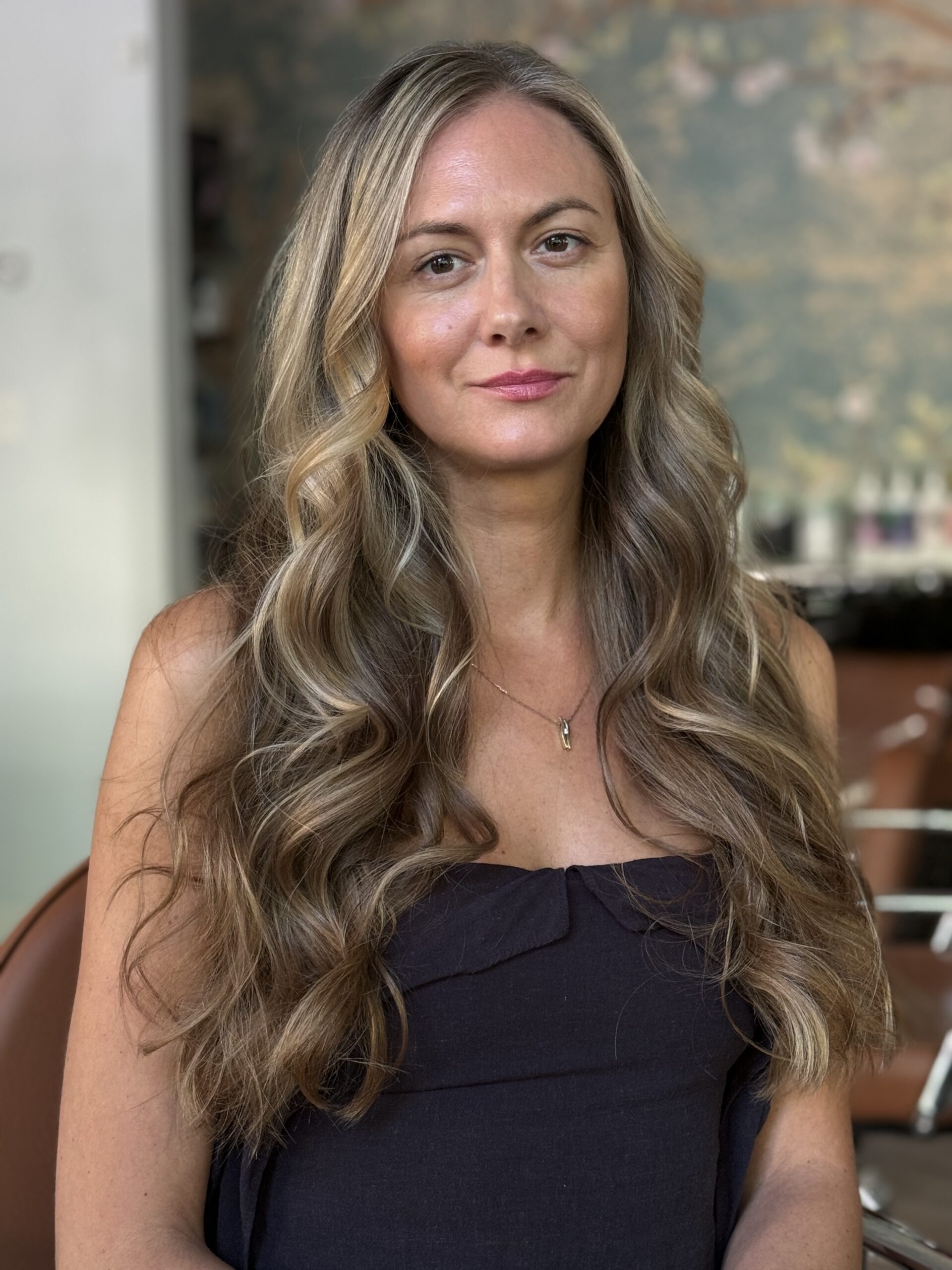
For example, a client with uneven highlights may be able to leave their first correction appointment with a beautifully blended, richer blonde. The final goal—such as an ultra-bright, cool-toned balayage—may then be pursued gradually in a later session once the hair is ready.
Why “Fixing It Fast” Is Not Always the Best Goal
It is understandable to want a color problem solved immediately. However, aggressive corrective processing can turn a color concern into a breakage concern. Healthy-looking hair is not simply about reaching a certain shade; it is about preserving softness, strength, shine, and movement along the way.
A skilled colorist should be honest about what can be achieved safely during the appointment. In some cases, the best first-session result is a strategic reset: more even, better toned, healthier-looking, and far easier to maintain while working toward the long-term goal.
The best color correction is not the fastest possible correction. It is the correction that respects the condition of your hair.
What a Professional Balayage Correction Appointment May Include
Every correction is customized, but a salon plan may include a combination of techniques based on your current color and goal. Hair Art NYC offers a wide range of color services that can be used strategically, including:
- Balayage full and half head services
- Foilage full and half head services for controlled, foil-wrapped brightness
- Full and half-head highlights
- Face-framing brightness
- Double process services that combine techniques
- Custom color for more complex transformations
- Base color, all-over color, and root shadow services
- Custom toner services
- Color correction and repair-focused treatments
A correction may also be paired with a precision haircut, blowout, or restorative treatment to improve the overall appearance and feel of the hair. Removing the most compromised ends, refining the shape, and using the right aftercare can make a major difference in how the finished color wears.
How to Prepare for Your Color Correction Consultation
Being prepared helps your colorist create a more accurate, safer plan. Before your appointment, gather clear photos of your hair in natural light and save inspiration images that show the tone and level of brightness you want.
- Be transparent about every color service. Include salon color, box dye, glosses, toning shampoos, henna, and at-home products.
- Bring inspiration photos, but stay flexible. Your ideal result should be adapted to your current hair condition and starting point.
- Explain what you dislike most. Is it brassiness, unevenness, stripes, darkness, or damage? Clear priorities guide the service.
- Ask for a realistic maintenance plan. Balayage corrections may require toner refreshes, glosses, treatment appointments, and homecare adjustments.
- Do not bleach or recolor your hair at home before the appointment. Additional unplanned processing can complicate the correction and increase the risk of damage.
Protecting Your Hair After a Correction
Aftercare is essential, especially when the hair has been lightened or color-corrected. Use professional products selected for your hair’s needs and follow your colorist’s recommendations for washing, heat styling, and toning.
Hair Art NYC works with trusted professional brands including IGK, K18, Wella, Milbon, Redken, Zenagen, and Keratin Complex. Product recommendations should be based on your individual needs, whether your priority is moisture, bond support, color longevity, frizz control, or heat protection.
- Use a heat protectant before blow-drying, curling, or flat-ironing.
- Avoid excessively hot water and frequent high-heat styling.
- Use purple or blue shampoo only as directed; overuse can leave porous blonde hair dull or uneven.
- Schedule toner or gloss refreshes when your color begins to shift.
- Consider restorative treatments if your hair has undergone substantial lightening.
Visit Hair Art NYC for a Personalized Correction Plan
Whether you need a subtle tonal adjustment or a more involved color recovery plan, the right consultation makes all the difference. Hair Art NYC provides personalized balayage, foilage, highlights, custom color, and color correction services for clients throughout Manhattan, Gramercy, and New York City.
Hair Art NYC
302 East 19th Street
New York, NY 10003
Phone: 212-300-4407
Get an honest assessment of your correction timeline and safest options.
No Comments